What it is
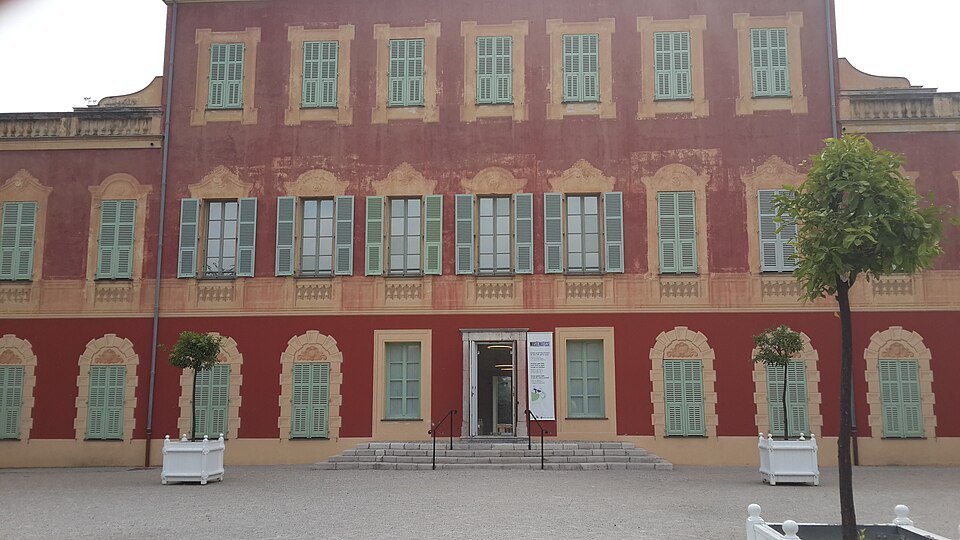
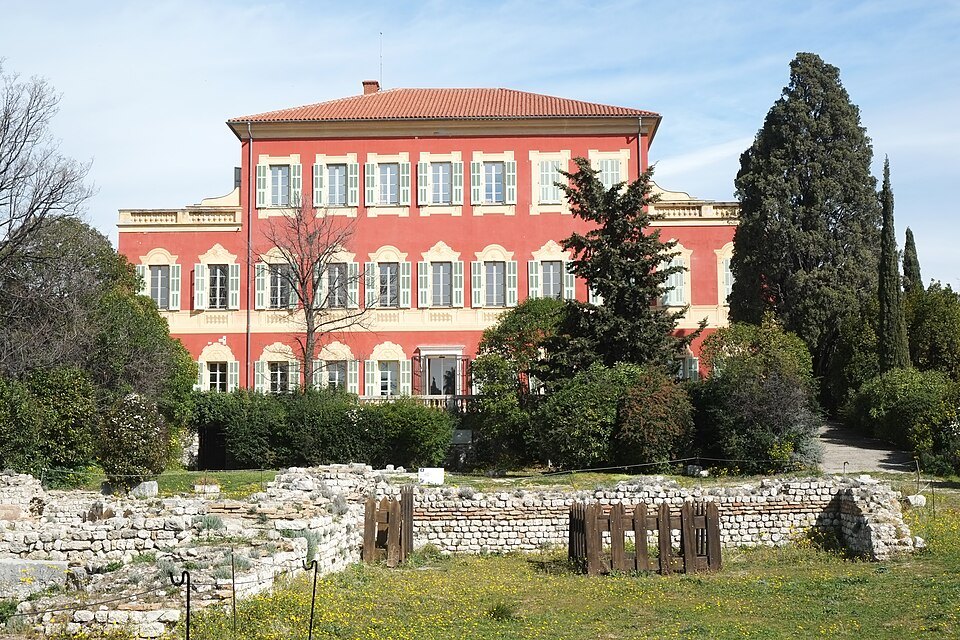
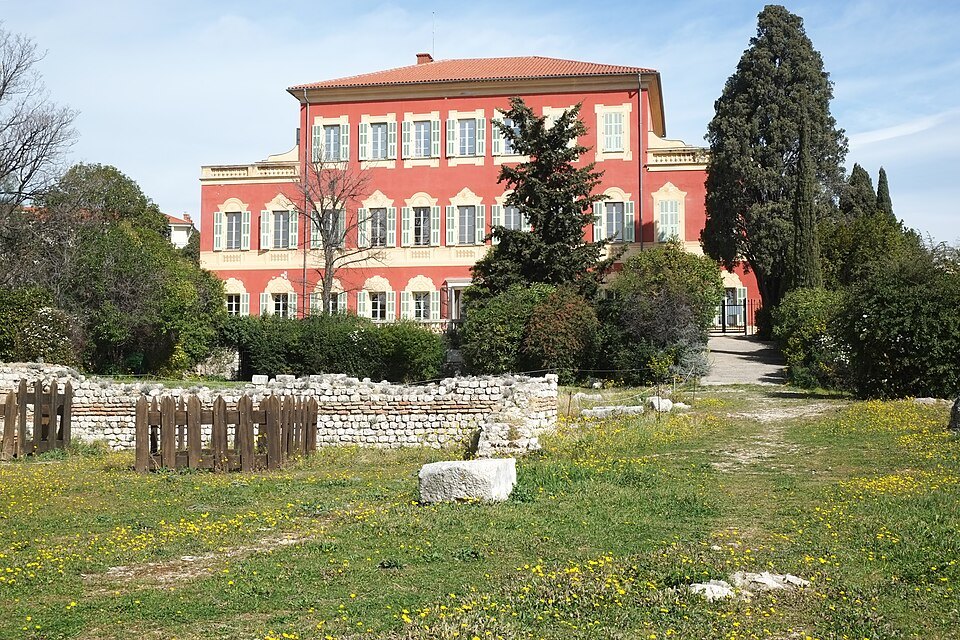
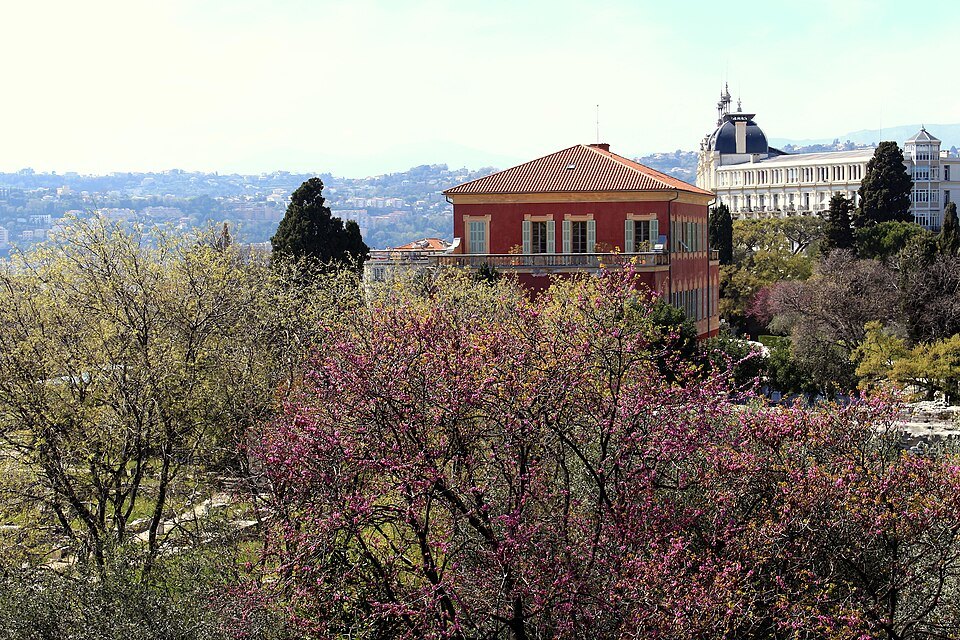
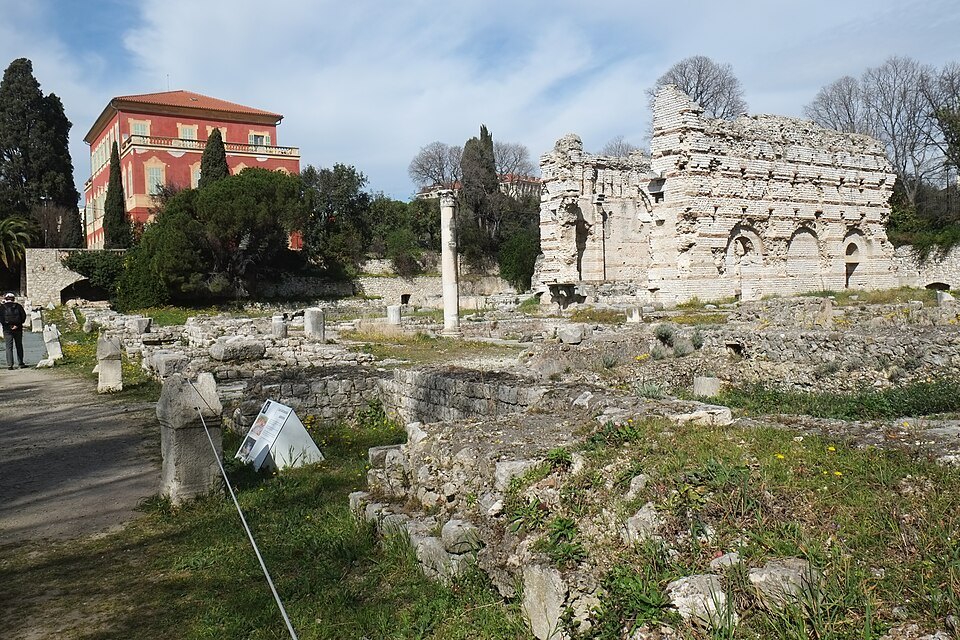
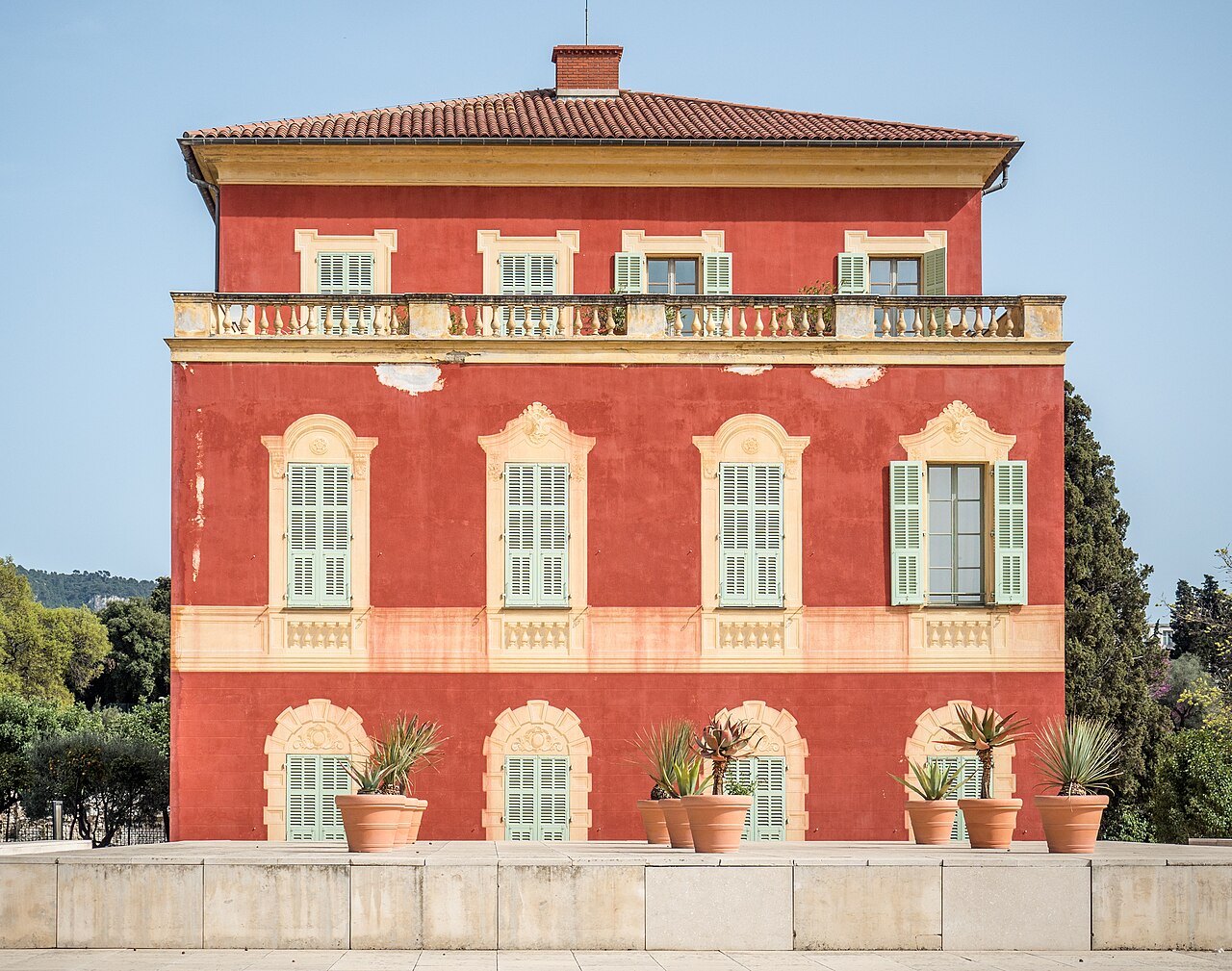
The museum occupies the Villa des Arènes, a seventeenth-century Genoese house painted deep red with trompe-l'œil windows, standing in the olive grove above the Roman arena at Cimiez.
Matisse came to Nice in 1917 and, apart from the war years, stayed for the rest of his life. He said the light was the reason. He died here in 1954 and is buried in the cemetery a short walk up the hill.
What is in it
The collection follows the whole arc of his working life rather than showing a few famous canvases — drawings, bronzes, the printed books, the late cut-paper work, and the objects he kept and painted again and again.
The villa and its olive grove are worth the trip on their own, and they are free to walk in.
The villa
The red villa is older than it looks. It was built between 1670 and 1685 for Jean-Baptiste Gubernatis, then a consul of Nice, and was known as the Palais Gubernatis. It took its present name, the Villa des Arènes, in 1950, when the city bought it from a property company to save it.
The Matisse museum opened in 1963 on the first floor, with the archaeology museum of Cimiez on the ground floor. In 1989 the archaeology museum moved into a new building on the site of the Roman town next door, and the Matisse museum took over the whole villa. It closed for four years of renovation and reopened in 1993 with a new modern wing, large enough at last to show the entire permanent collection.
What the collection holds
The collection began with gifts from Matisse himself, followed by gifts from his heirs and long-term loans from the French state. It now counts 68 paintings and cut gouaches, 236 drawings, 218 prints, 57 sculptures and 14 books illustrated by Matisse, along with 95 photographs, 187 objects that belonged to him, and tapestries, ceramics and stained glass.
The range is the point: it runs from Figure with a Parasol of 1905 through Storm at Nice of 1919–1920 and Odalisque with a Red Box of 1927 to the late work, including a stained-glass study for the Tree of Life window of 1950, Blue Nude IV and The Wave of 1952, and Flowers and Fruits of 1952–1953. In 2025 the museum was given Still Life with an African Statuette, painted between 1907 and 1912.
Matisse's Nice years
Matisse moved to Nice in 1917, and the more relaxed style of his work through the 1920s won him acclaim as an upholder of the classical tradition in French painting. When German forces invaded France in June 1940 he was in Paris, but he made his way back to Nice and chose to stay rather than leave for Brazil. Major surgery soon after nearly killed him, and it was while he was bedridden that he developed the paper cut-out into an art form of its own: scissors and painted paper instead of brushes and canvas.
In 1943 he moved up to the hill town of Vence, where he made the cut-outs for his book Jazz, and from 1948 he designed the Chapel of the Rosary there, windows, vestments and all, using the cut-out method. He finished his last painting in 1951 and worked only in cut paper after that. Matisse died of a heart attack on November 3, 1954, at the age of 84.
The cut-outs had roots in Nice. His first recorded use of the technique was in 1919, designing the decor for Stravinsky's opera Le chant du rossignol. For the large mural commissioned by the American collector Albert Barnes, cardboard templates matching the odd shape of the walls were made, and Matisse composed the design on them in his Nice studio by pinning up painted paper shapes. More cut-outs followed in 1937–1938, when he worked on sets and costumes for the Ballets Russes. The two mural-size Oceania pieces of 1946 recall a trip to Tahiti years earlier; the museum owns Papeete-Tahiti, painted in 1935. In May 1954, months before his death, his cut-out The Sheaf was shown at the Salon de Mai and well received.
His grave and the monastery
Matisse is buried a few minutes' walk away, in the cemetery of the Monastère Notre-Dame de Cimiez. The monastery grew from a chapel built by the Benedictine monks of Saint-Pons, first mentioned in 1010; on November 15, 1546, it was handed to the Franciscans, who had lost their convent in the siege of 1543. The ensemble includes the fifteenth-century church of Notre-Dame-de-l'Assomption and a museum of Franciscan life in Nice. Its most famous friar, Brother Mark, became Fray Marcos de Niza, and the story goes that he gave the name of his order's founder to the site of the future San Francisco.
Sources
- Musée Matisse de Nice — Wikipédia (French)
- Henri Matisse — Wikipedia
- Monastère de Cimiez — Wikipédia (French)