What it is
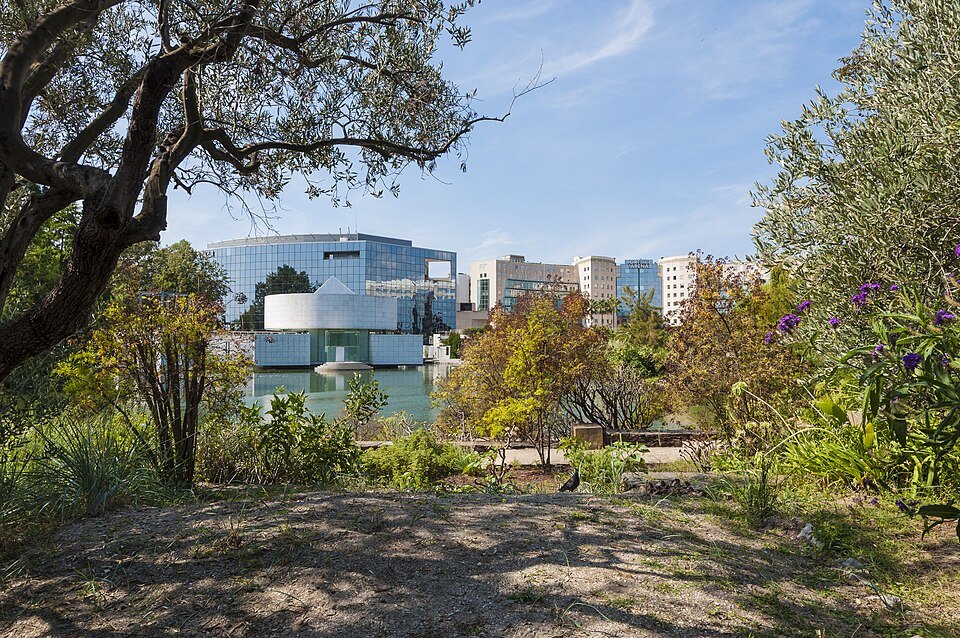
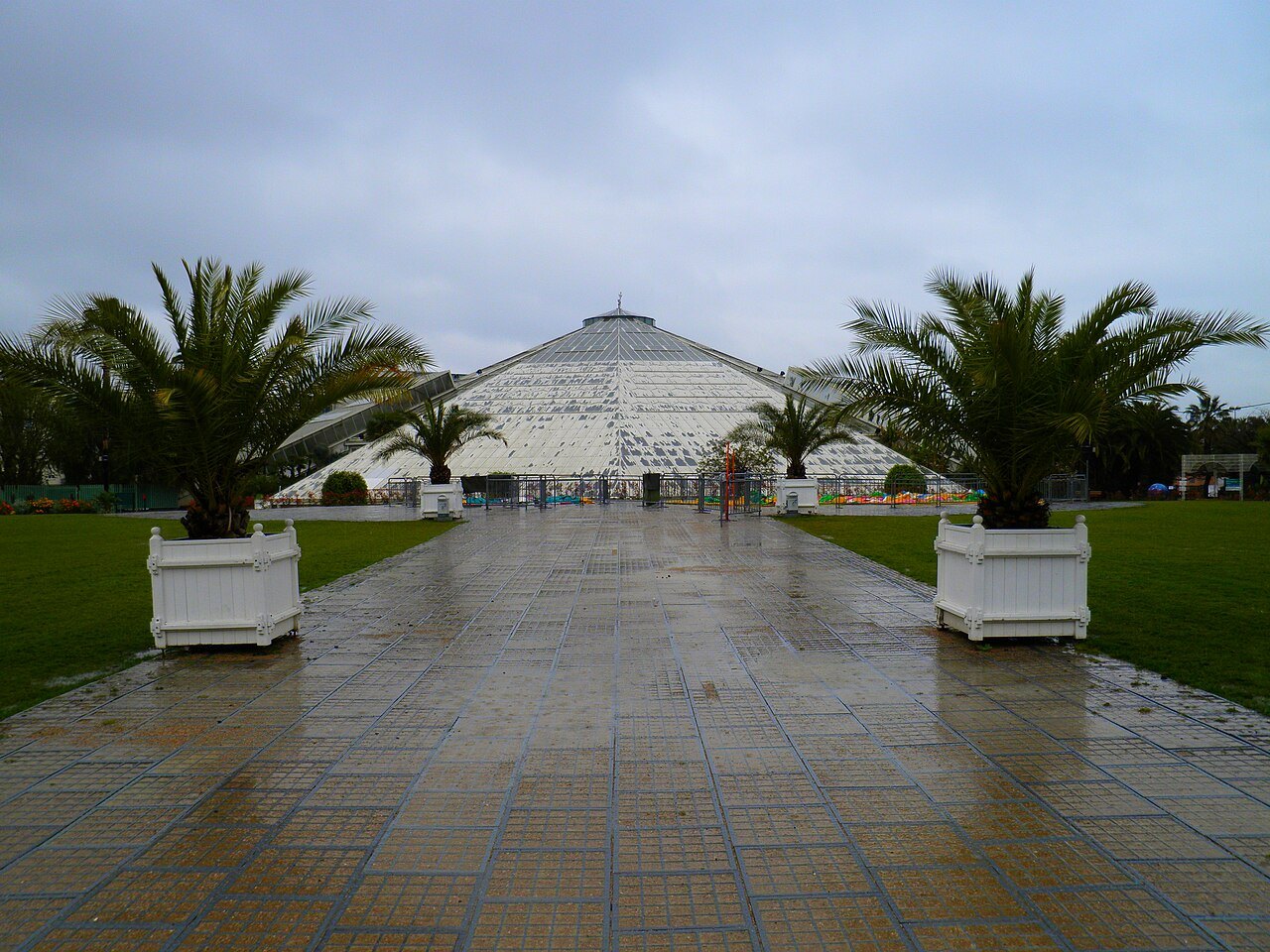
A botanical garden at the far western end of the bay, laid out around lakes and dominated by a single enormous glasshouse holding several climate zones under one roof.
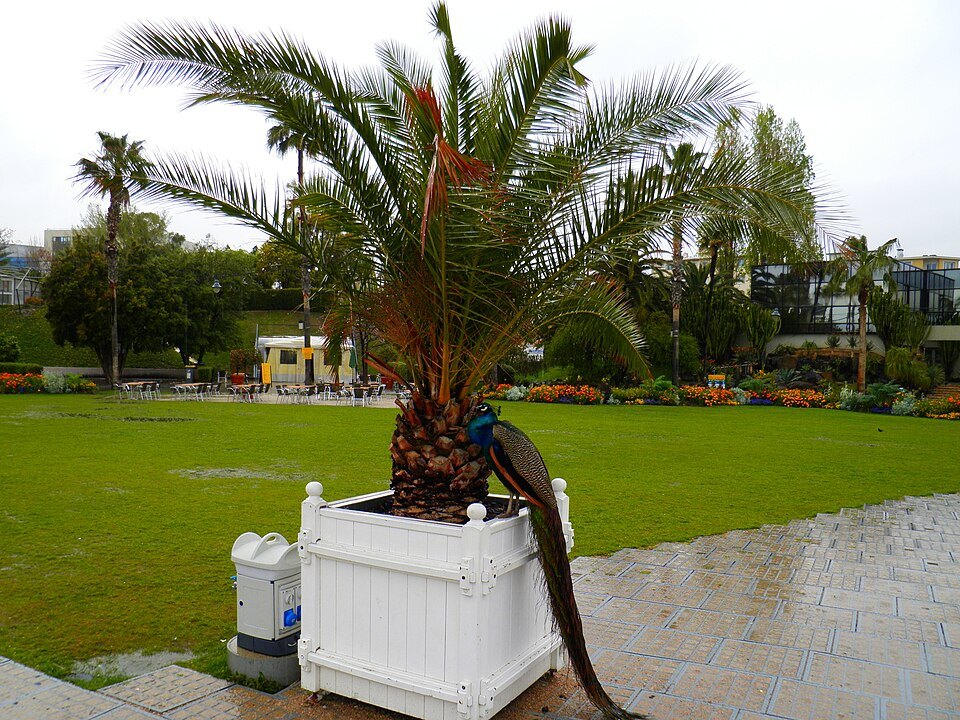
Outside there are themed plantings, water birds and a good deal of open grass — it is a park that people use, not just a collection.
Who it suits
It is the obvious answer to a hot afternoon with children, and it is at the tram end of the Promenade rather than in the centre, so it never feels like the seafront.
The park and its name
Parc Phœnix covers seven hectares around a central lake at the south-western entrance to Nice, in the Arénas district beside the Promenade des Anglais. It opened on February 14, 1990, after 26 months of work, and is labeled a jardin remarquable, one of France's officially recognized notable gardens. Its name comes from Phoenix canariensis, the Canary Island date palm, the most common palm on the Riviera. At its opening it held 1,600 plant species arranged around three themes, the relationship of plants with people, with their environment and with time; today it has some twenty themed areas and nearly 2,500 plant species.
The great greenhouse
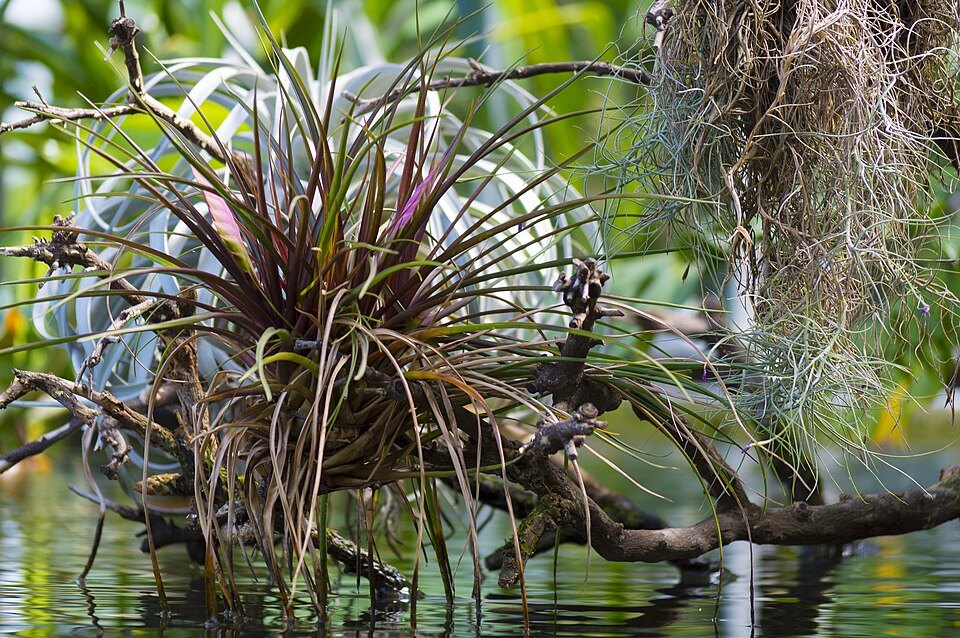
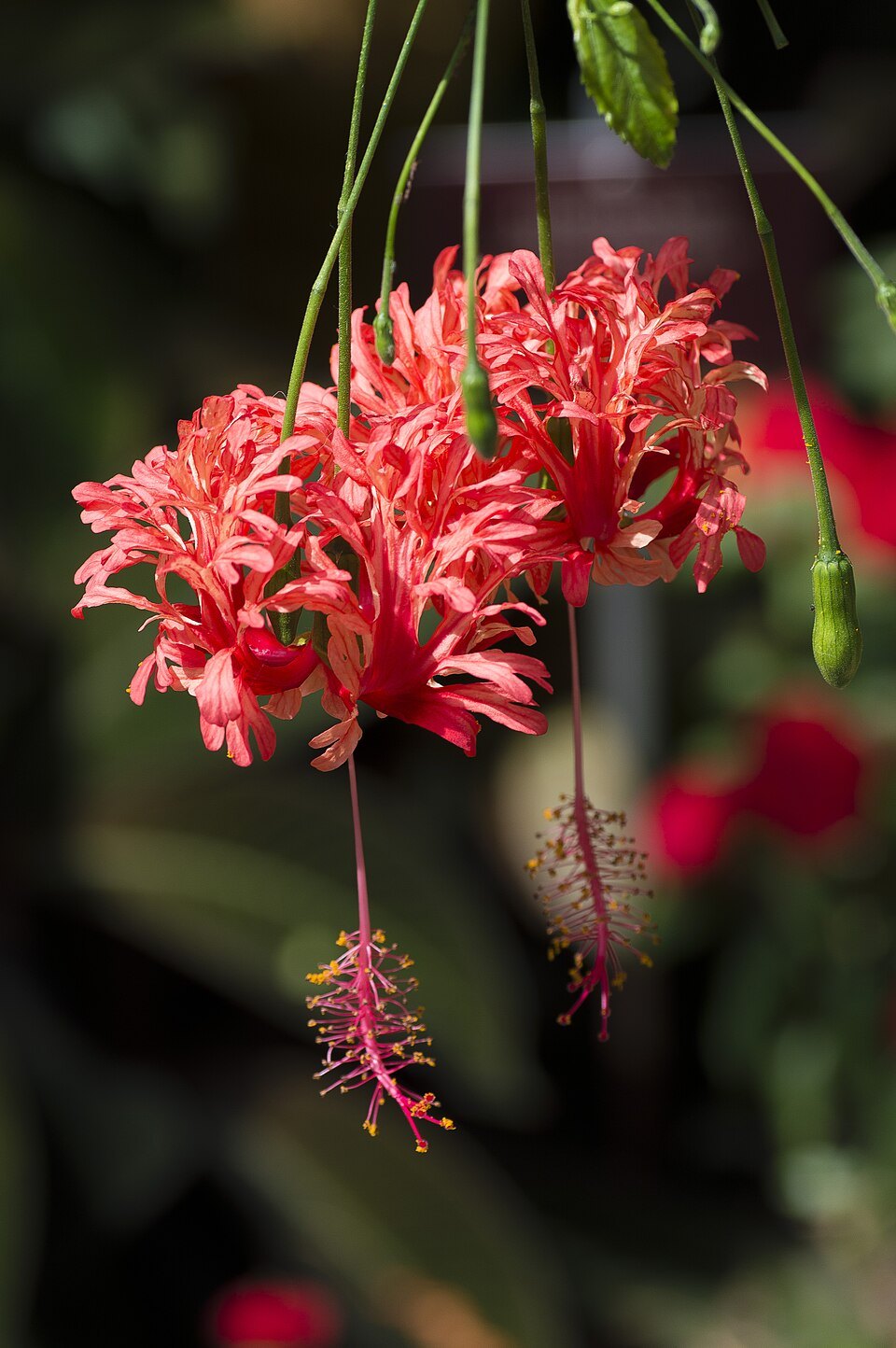
The heart of the park is a single greenhouse of 7,000 square meters, 25 meters high and 100 meters across, covered by 10,000 square meters of glass with no internal supports; it is one of the largest in Europe. Inside, seven separate climates are maintained by computer. A humid tropical section holds a forest of tree ferns and a very large collection of orchids and bromeliads; there is a Louisiana garden, home to spectacled caimans, a Thai garden, and a southern African garden of aloes, euphorbias and other dry-climate plants. Mandarin ducks, Chilean flamingos and iguanas roam freely, and downstairs a series of aquariums and terrariums shows tropical fish, insects, millipedes and spiders.
The gardens and the animals outside
Outside, the gardens are arranged around a pool of 3,500 square meters where pelicans, swans, geese, ducks and turtles live freely. Other animals are kept in enclosures: birds of prey, crowned cranes, rheas and macaws, and mammals such as wallabies, otters and porcupines. Most of them came to the park after being seized from private owners.
The planting mixes Mediterranean species, oleanders, palms and lavender, with succulents such as cacti, aloes and agaves, and a kitchen garden of olive and orange trees and aromatic herbs. One stretch beside the pool, planted with ancient species like the araucarias, is called the Island of Bygone Times, and there is a bamboo grove nearby, close to the water. The park also hosts regular exhibitions on nature and biodiversity. The building on the north side of the park is the headquarters of the Nice Côte d'Azur metropolitan authority.
The museum on the lake
Next to the park, appearing to float on an artificial lake, is the Musée départemental des Arts asiatiques, designed by the Japanese architect Kenzo Tange, who called it a snow jewel shining in the blue of the Mediterranean, a swan floating on a peaceful lake. Its plan combines the square, symbol of the earth, and the circle, symbol of the sky, like a Tibetan mandala. Four cubes over the water are given to the arts of India, China, Japan and Southeast Asia, and a round gallery under a glass pyramid on the upper floor is devoted to Buddhist sculpture.
The project began in the mid-1980s, when the artist Pierre-Yves Trémois offered his Asian art collection to the city in exchange for a museum. After Mayor Jacques Médecin fled abroad and was convicted of corruption, the plan was dropped and the finished building stood empty for years. The department took it over and built a collection from scratch, and the museum opened on October 16, 1998. Tea ceremonies and demonstrations of Asian arts take place there through the year.
The collection mixes court art, religious works, everyday objects and folk art. The China room is keyed to green, the color of jade, the first material worked there in Neolithic times, whose forms were later repeated in bronze, glazed terracotta and celadon. Among the pieces to look for are a sandstone statue from Cambodia, probably the god Vishnu, carved in the early twelfth century in the Angkor Wat style under Suryavarman II and originally painted and dressed in brocade; a pair of deer that once stood with a wheel of the Law above the gate of a Tibetan monastery, recalling the Buddha's first sermon in the Deer Park at Sarnath; and a carved wooden ossuary in the shape of a water buffalo, with a real pair of horns, made by the Toraja people of Sulawesi in Indonesia; its carved patterns stand for wealth, happiness for descendants, nobility, peace and fertility.
Sources
- Parc Phœnix — Wikipédia (French)
- Parc Phœnix — Wikipedia
- Musée départemental des arts asiatiques à Nice — Wikipédia (French)