What it is
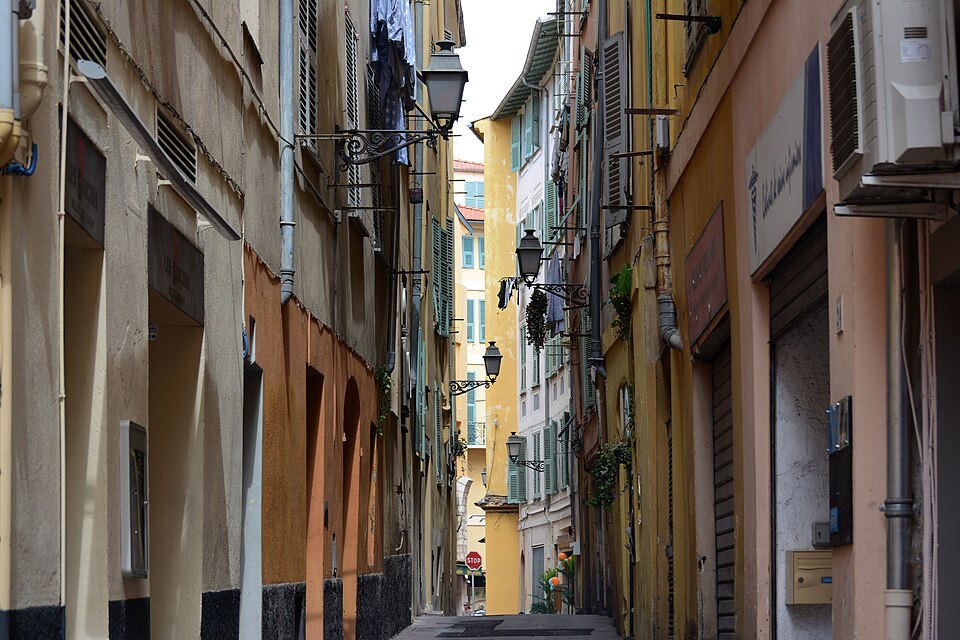
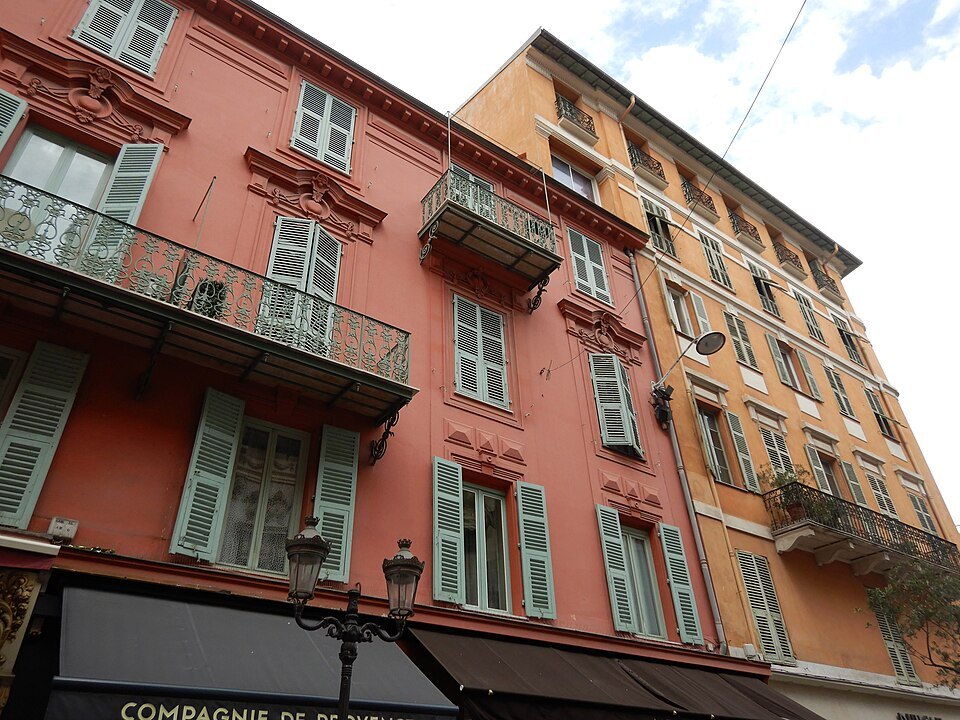
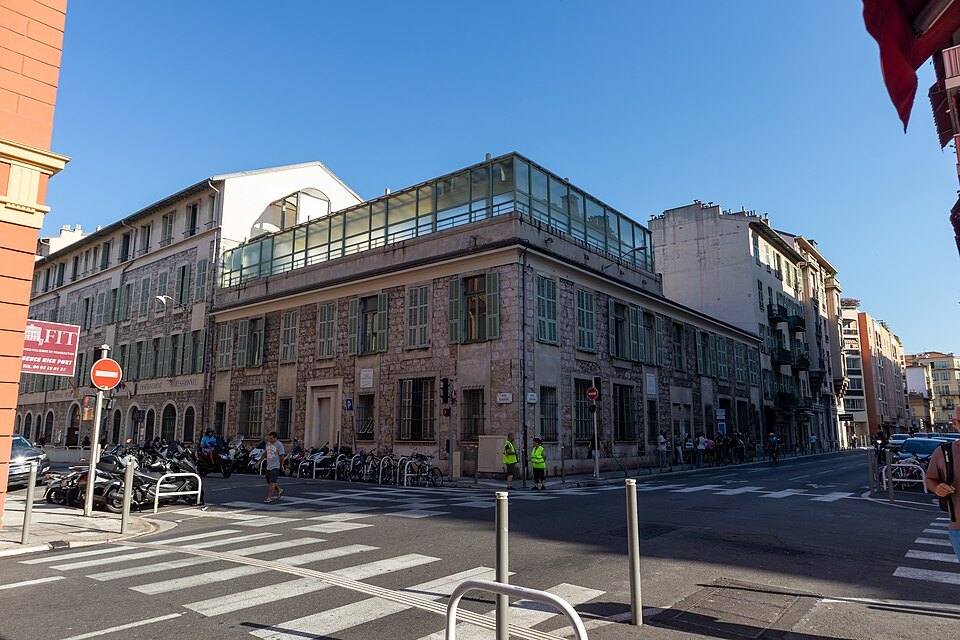
The old town fills the wedge between the castle hill and the Paillon. The houses are tall, narrow and painted in ochre, red and dried-apricot — Genoese colours, not French ones — and the lanes between them are deliberately shaded.
It looks Italian because until 1860 it effectively was. Nice belonged to the House of Savoy and then to the Kingdom of Sardinia, and was ceded to France only after the Treaty of Turin. The city changed nationality; the buildings did not.
How to walk it
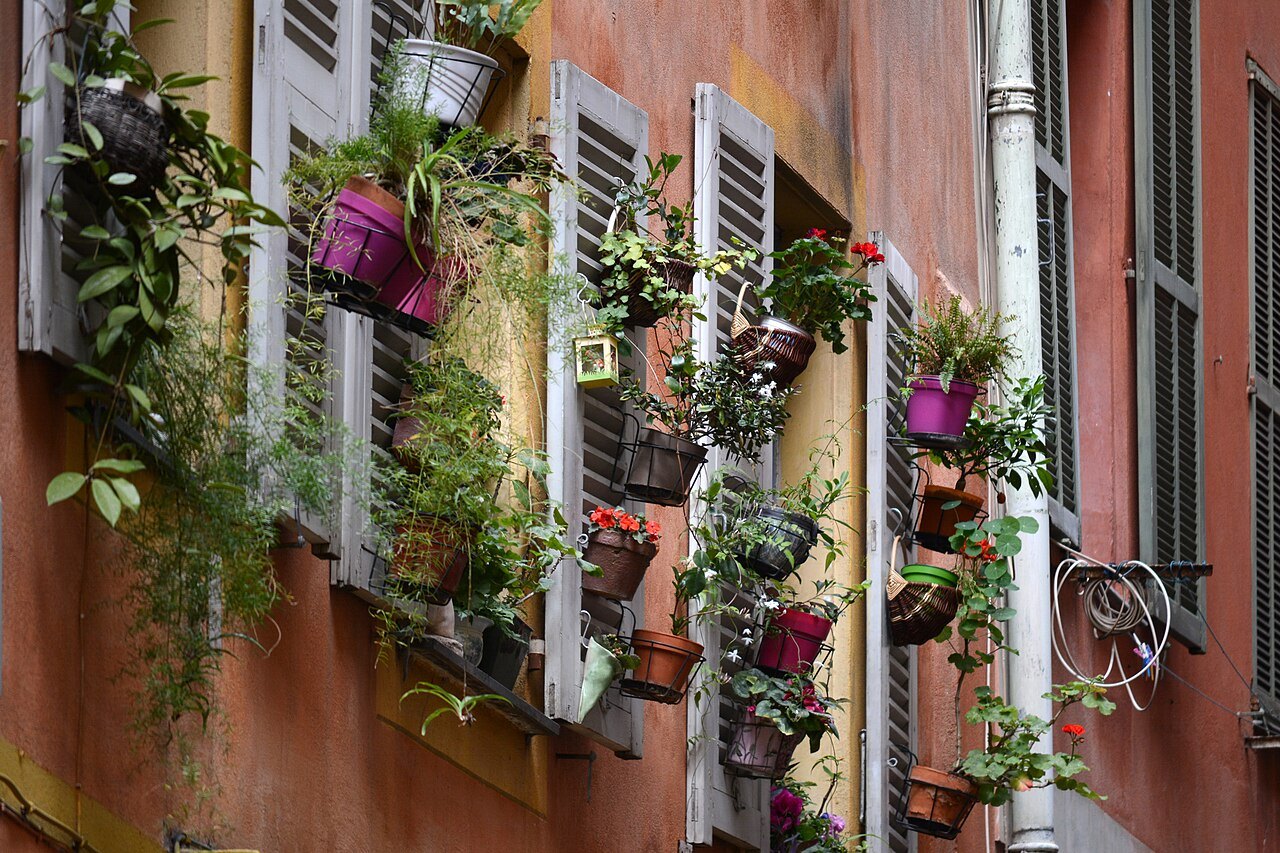
There is no route. The old town is small enough that getting lost costs you a few minutes, and the lanes are laid out to be walked rather than driven — which is why the washing lines and the shutters are at eye level.
The landmarks to steer by are Place Rossetti with the cathedral, the Cours Saleya along the southern edge, and the Palais Lascaris tucked into a lane in the middle.
Where the old town ends
The old town has hard edges, and knowing them makes it easy to find your way. To the east rises the castle hill; the fortress on top was destroyed in 1706 by the troops of Louis XIV, after a besieger's cannonball reportedly landed in the citadel's powder store. To the south are the sea and the Quai des États-Unis. To the west is the covered bed of the Paillon river, on top of which stand Place Masséna and the national theater. To the north is Place Garibaldi. Inside those lines are the city hall, the courthouse and the opera house as well as the lanes.
People in Nice simply say the old town, vielha vila in the local language. An older nickname, babazouk, is a local adaptation of an Arabic expression meaning the gate of the souk.
Air conditioning built into the walls
On a hot afternoon the lanes feel cooler than the seafront, and that is by design. In summer the sun heats the roofs, while the deep, narrow streets a few meters below stay cooler, and that difference of a few degrees is enough to set the air moving upward. Nice's builders added details to strengthen the effect.
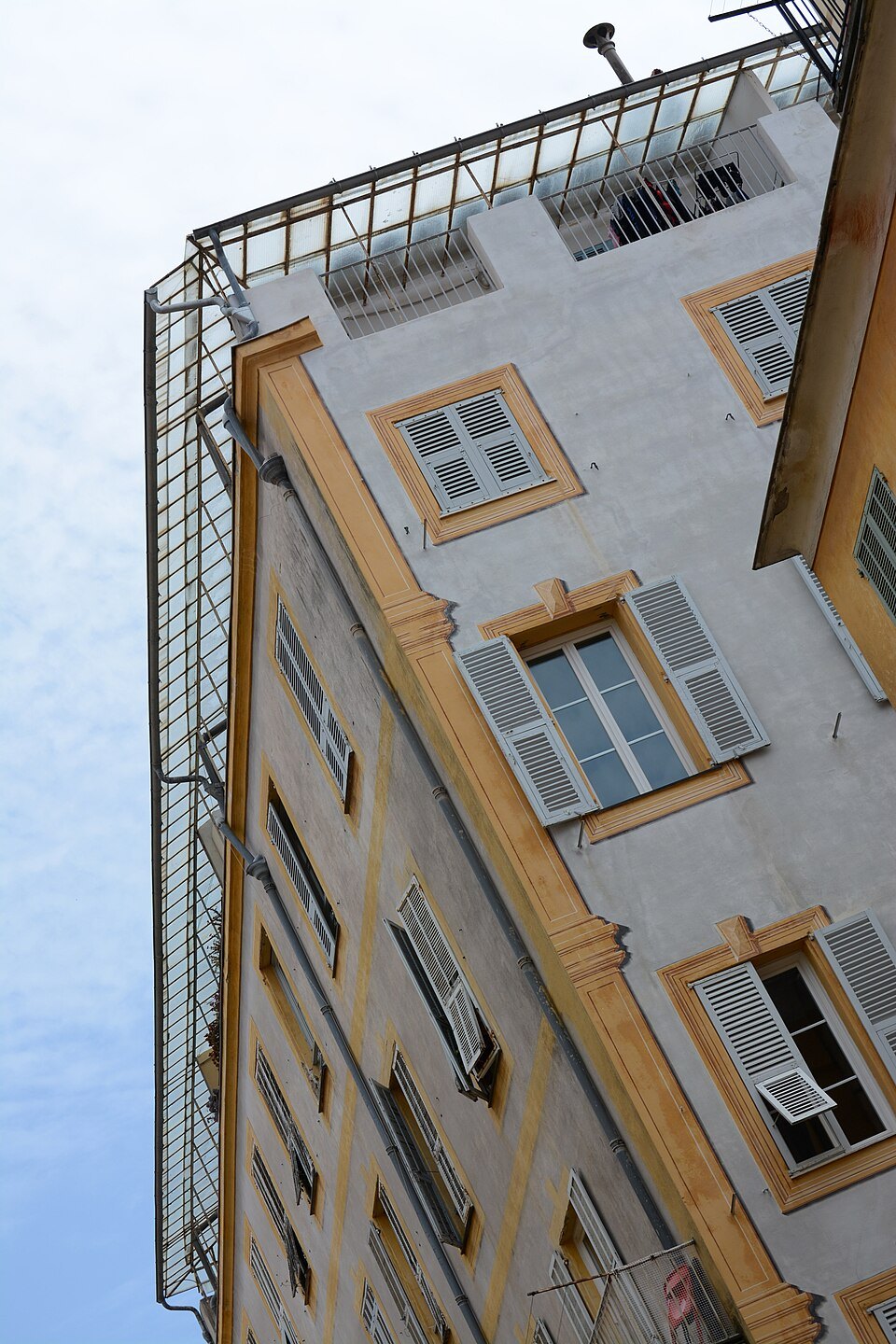
Look above the doors: many houses have a clairoir, a grilled opening, often beautifully worked, that lets air into the hallway. The traditional Nice shutters have a small flap at the bottom that can be propped open toward the lane; old residents call them jalousies, because you can see out without being seen. Air drawn in through these openings rises through the rooms and the inner courtyard and escapes through a glass skylight on the roof, a small thermal chimney in every house. It is also why laundry hung from the windows dries so fast.
Streets with stories
The street names are a lesson in local history. Rue Droite is anything but straight: the name is a mistranslation of the Niçois drecha, meaning direct. It was the through route from the Ponchettes beach in the south to the Pairolière bastion on the northern edge, and goods moved along it by porter, mule and handcart.
Rue Pairolière, now the old town's shopping street, takes its name from the Niçois pairou, a cauldron; in the Middle Ages it was the street of the coppersmiths. Rue du Malonat climbs in steps toward the castle hill and is named for the maloun, the small hexagonal terracotta tiles once used to pave streets and floors. At the top of this dead end is an oratory to Notre-Dame du Bon Secours, built by the neighborhood in 1854 in thanks for escaping that year's cholera epidemic; its statue is made of papier-mâché, like the floats of the Nice Carnival, and a neighborhood festival has been held for it every year since.
Rue du Pont-Vieux was once the street of the carpenters. It became the Old Bridge street when the Pont-Neuf was built in 1824, and before then it was, apart from a few fords, the only road for carts to the other bank of the Paillon and on toward France. Rue de la Préfecture was rue Impériale under both French empires. And Place Rossetti exists because the Rossetti family gave the city a block of houses that hid the cathedral; the block was demolished, and the square and the street climbing to the castle took the family's name.
Day and night
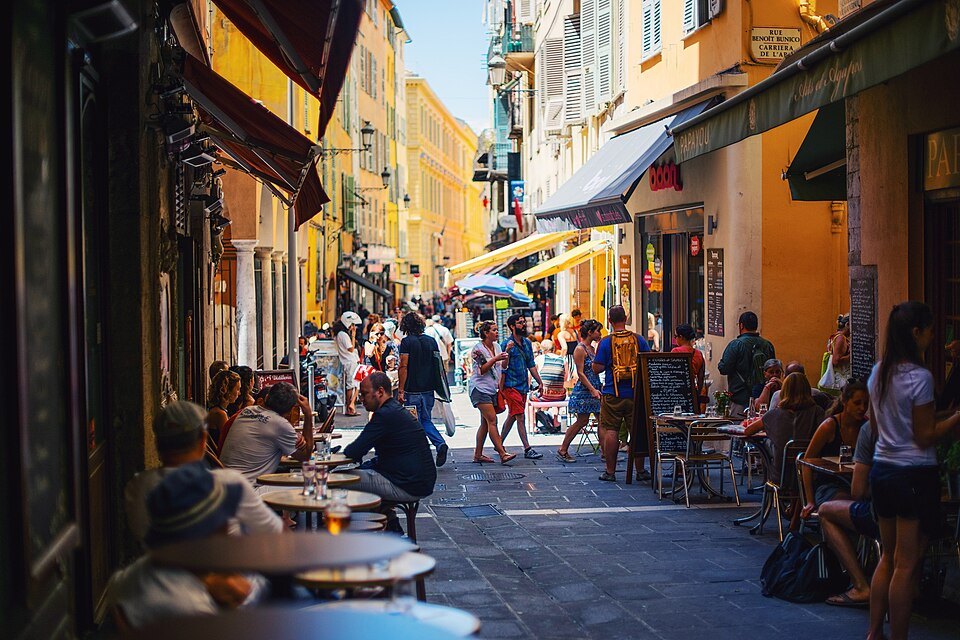
In the morning the old town belongs to residents doing their shopping, with the market on the Cours Saleya at its edge. At night it becomes the place where Nice goes out, its narrow streets full of restaurants, bars and clubs. It has changed since the 1970s: traditional neighborhood shops, especially the once-numerous tripe sellers, have given way to shops for visitors, and the Niçois language, still widely spoken here until the 1960s, is now rarely heard in the streets.
Sources